Expert Care for Healthy, Strong & Beautiful Nails
Nail disorders can affect the appearance, strength, and growth of your fingernails and toenails. They may develop due to infections, injuries, skin diseases, nutritional deficiencies, aging, or underlying medical conditions. Changes in nail color, thickness, shape, or texture should not be ignored, as they may indicate an underlying health concern.
At our dermatology clinic, we provide comprehensive diagnosis and personalized treatment for a wide range of nail disorders using advanced diagnostic techniques and evidence-based therapies to restore healthy nails and prevent recurrence.
What are Nail Disorders?
Nail disorders refer to conditions that affect the nail plate, nail bed, cuticle, or surrounding skin. Healthy nails are smooth, strong, and evenly colored. Any persistent change in their appearance or growth may require evaluation by a dermatologist.
Some nail disorders are purely cosmetic, while others may be associated with infections, autoimmune diseases, psoriasis, eczema, diabetes, or circulatory problems.
Common Symptoms
Nail disorders can present with one or more of the following symptoms:
- Thickened nails
- Brittle or fragile nails
- Yellow, white, brown, or black nail discoloration
- Cracked or split nails
- Nail lifting from the nail bed
- Pain or tenderness around the nail
- Swelling or redness near the nail
- Slow nail growth
- Ingrown toenails
- Ridges or grooves on the nail surface
- Misshapen or deformed nails
Common Types of Nail Disorders
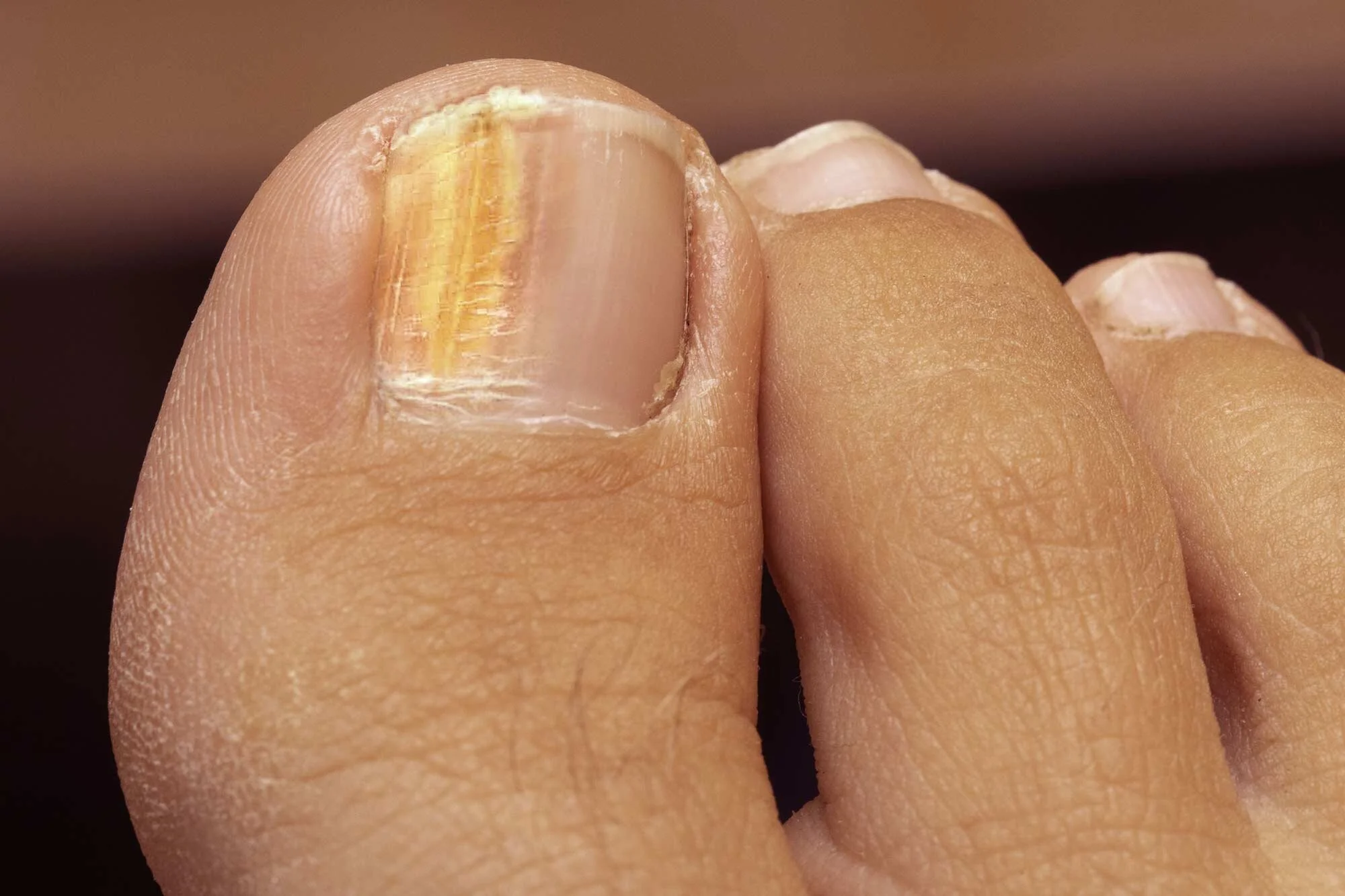
Fungal Nail Infection (Onychomycosis)
A common fungal infection that causes thickened, discolored, brittle, and crumbly nails, especially in the toenails.
Ingrown Toenail
Occurs when the edge of the nail grows into the surrounding skin, causing pain, swelling, redness, and sometimes infection.
Paronychia
An infection of the skin around the nail that causes redness, swelling, pain, and pus formation. It may be acute or chronic.
Nail Psoriasis
Psoriasis can affect the nails, causing pitting, nail thickening, discoloration, and separation of the nail from the nail bed.
Nail Eczema
Eczema around the nails may cause brittle nails, ridges, inflammation, and damage to the cuticle.
Traumatic Nail Injury
Injuries to the nail can lead to bruising, nail lifting, cracks, or temporary loss of the nail.
Nail Pigmentation Disorders
Dark streaks or color changes in the nails should be evaluated to determine whether they are benign or require further investigation.
When Should You See a Dermatologist?
Consult a dermatologist if you notice:
- Persistent nail discoloration
- Thickened or brittle nails
- Painful or swollen nails
- Ingrown toenails
- Nail separation from the nail bed
- Recurrent nail infections
- Dark streaks or rapidly changing nail pigmentation
- Nail changes that do not improve over time
Early diagnosis helps prevent permanent nail damage and improves treatment outcomes.
Diagnosis
Your dermatologist may recommend:
- Medical history and physical examination
- Nail clipping for fungal testing
- Microscopic examination (KOH test)
- Fungal culture
- Dermoscopy
- Nail biopsy (rarely required)
- Blood tests if an underlying medical condition is suspected
Treatment Options
Treatment depends on the underlying cause and severity of the nail disorder.
Medications
Treatment may include:
- Topical antifungal medications
- Oral antifungal medications
- Antibiotics for bacterial infections
- Anti-inflammatory creams
- Medications for psoriasis or eczema affecting the nails
Laser Therapy
Laser treatment may be recommended in selected cases of fungal nail infections as part of a comprehensive treatment plan.
Nail Care Tips
To maintain healthy nails:
- Keep nails clean and dry
- Trim nails straight across
- Wear properly fitting footwear
- Avoid biting your nails
- Moisturize nails and cuticles regularly
- Wear gloves while using cleaning chemicals
- Avoid sharing nail clippers or manicure tools
- Choose reputable salons that follow proper hygiene practices
Possible Complications
Without treatment, nail disorders may lead to:
- Chronic nail infections
- Permanent nail deformity
- Pain while walking or using the hands
- Spread of infection
- Nail loss
- Reduced quality of life
Prompt treatment helps prevent these complications.
Meet Your Doctor

MBBS, MD (Dermatology, Venereology & Leprosy). Specialist in acne, scars, and cosmetic dermatology.
View Profile